

As we approach the end of term and head into the school holidays, many of us are feeling unsettled. While this is always a busy time of year, the ongoing global conflicts, rising living costs and a steady stream of distressing news is adding an extra layer of stress and creating a sense of uncertainty about the future.
Even when events are happening far away, young people often hear about them through social media, conversations at home, or in the playground. They may feel worried, confused or overwhelmed and look to trusted adults for reassurance.
At the same time, teachers and school staff are managing these challenges while also supporting their students and families. Below are a few practical ideas for supporting young people while also taking care of your own wellbeing.
Supporting students who feel anxious
Children may not know how to articulate their worries, but they often absorb the emotional tone around them. Supportive conversations with trusted adults can help children and young people process difficult events and reduce anxiety.
Here are some simple strategies that can help you to support the children in your care.
1. Start by asking what they already know
Rather than launching into explanations, begin with curiosity.
You might ask:
- “Have you heard anything about what’s been happening in the news?”
- “How are you feeling about things at the moment?”
This helps you to see the world from their perspective and gently correct any misinformation or misunderstandings.
2. Keep explanations simple and age-appropriate
Honest, simple explanations are usually enough. For younger children, this may be as simple as explaining that conflicts are happening in another part of the world and that many people are working hard to keep others safe. Older students may benefit from more context, but still in calm, balanced language.
3. Focus on emotional safety
Reassure students that it’s normal to feel worried or confused. Let them know their feelings are valid and that support is available. Listening calmly is often more helpful than trying to “fix” the worry straight away.
4. Encourage positive coping strategies
Physical activity, creative activities, time with friends and regular routines can help young people manage worries and anxious feelings. Encouraging students to stay active, talk with trusted people and focus on the present can reduce the intensity of these feelings.
5. Limit exposure to distressing media
Continuous exposure to news and social media can amplify anxiety. Encouraging students to take breaks from news coverage can help them regain a sense of balance.
Some students may be more directly impacted by recent events and be feeling very distressed. They may have family living in countries where the conflict is happening or may not be able to see family due to travel disruptions. Ensure students have supports available in their families and communities and offer psychological support through school counsellors and wellbeing staff if needed.
Emerging Minds has more information about how to discuss war and conflict with children in an age-appropriate way.
Reachout Australia also has articles for young people about managing distressing world news and a curriculum-aligned classroom activity for teachers.
Social media, young people and staying connected
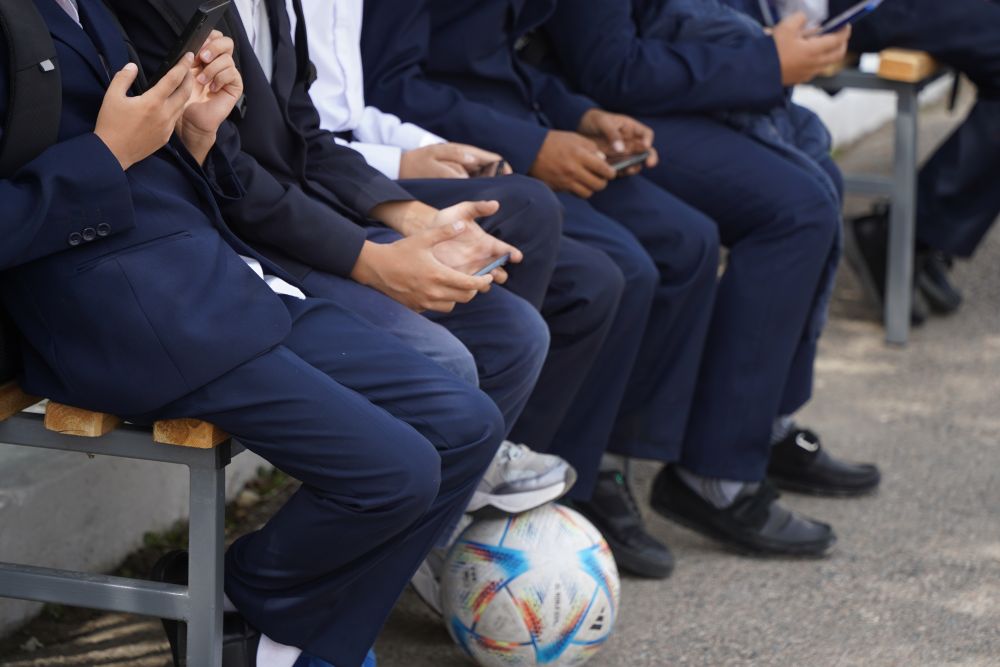
Recent changes to social media access for younger adolescents are also shaping how young people receive information and stay connected during uncertain times.
For some Australian students under 16, reduced access to social media may mean they are hearing less constant news about global events. This may provide a protective buffer, reducing exposure to distressing news, images and misinformation.
At the same time, social media can be an important space where young people connect with peers and share information. Some adolescents may feel less informed or less connected if they are not using these platforms.
Many young people are still navigating the social media delay in different ways, so teachers may notice a mix of experiences in the classroom.
Encourage students to:
- seek information from trusted news sources
- talk with trusted adults when they are unsure about something they’ve heard
- focus on real-world connections and activities
This can help them stay informed without becoming overwhelmed.
The eSafety Commissioner also provides helpful guidance for parents, young people and educators about managing misinformation and disinformation, dealing with harmful or distressing content and building digital wellbeing.
Taking care of your own wellbeing
Teachers are supporting everyone else while also trying to deal with their own worries about the world. It’s important to take care of yourself.
1. Be mindful of news consumption
It’s easy to fall into a cycle of constant updates, but this can increase stress. Consider setting boundaries around when and how often you check the news. For many of us, this means limiting social media use and scheduling some ‘down time’ to give yourself a break. Your phone has some useful tools to help you limit the time you spend on social media and news apps.
2. Focus on what you can control
Global events can make people feel powerless. Bringing your attention back to the things within your control and maintaining predictable daily routines can restore a sense of stability.
3. Stay connected
Talking with colleagues, friends or family about how you’re feeling can help reduce stress and remind you that you’re not carrying the load alone.
4. Make space to recharge during the holidays
Hopefully the school holidays will be an opportunity to take some time for yourself, or to spend more time with family, friends and loved ones. Prioritise rest, time outdoors, positive social connections and activities that genuinely help you unwind.
The Black Dog Institute has more information about how to manage anxiety during uncertain times.
Further support
If you or your students need additional support, these Australian services offer helpful resources and confidential assistance:
- Kids Helpline: Free and confidential 24/7 counselling for young people aged 5–25 (phone, webchat and email).
- ReachOut Australia: Practical online mental health resources for young people and those who support them.
- headspace: Mental health support for Australian young people aged 12–25, including online and in-person services.
- Lifeline: 24/7 crisis support for adults (13 11 14 or online chat).
- 13YARN: 24/7 culturally safe crisis support for Aboriginal and Torres Strait Islander people (13 92 76).
- Emerging Minds: Evidence-based resources for supporting children’s mental health for educators and families.
You can also go to our Find Support page for more information about support services.