From 10 December 2025, new national laws will take effect that prevent many social media platforms, including Instagram, Snapchat and TikTok, from allowing Australians under 16 to create or maintain accounts. There’s a lot of confusing and inaccurate information circulating online, so to help educators prepare for the transition, we’ve pulled together some of the key points and the most reliable, up-to-date resources.
It's not a ban, it's a delay
This isn’t a ban on social media for young people, it’s a delay to having an account. Being logged in to a social media account increases the chance that young people will face online pressures and risks. This is driven by platform design features that promote prolonged use and serve up content that may harm their health and wellbeing.
The aim is to delay the use of social media accounts, allowing more time for students to learn about the risks and opportunities of social media and develop the skills required to use it safely and responsibly. This includes knowing when and how to access help and support when they have a negative experience.
Online safety education is essential
While there are different opinions about whether these laws are the right solution, one thing we can all agree on is that online safety education is essential.
The minimum age requirement is just one tool in our online safety toolkit. While the age restrictions may go some way to protecting children and young people from some online harms, ongoing online safety education is crucial for building digital literacy, resilience, responsibility and help-seeking skills.
Keep in mind that just because an app is not on the list of age-restricted platforms, that doesn’t mean it’s safe for people under 16. Many young people will migrate to other unrestricted platforms and will continue to have access to messaging and gaming platforms where there is the potential for harms such as cyberbullying, harassment, unwanted contact, grooming, image-based abuse, sexual extortion and exposure to distressing content.
We must continue to support students to stay safe on all online platforms, to protect them from harm both now and into the future.
Key points for educators
If you’ve got questions about the new social media age restrictions, you’re not alone! Here are some key points for educators, with more quick facts and FAQs available on the eSafety hub:
- Students will not be penalised if they access a social media platform – the onus will be on the social media platforms to take reasonable steps to prevent Australians under 16 years from having an account.
- Young people under 16 will still be able to view any content that’s publicly available without logging in.
- Schools may need to consider new ways of communicating with families and students.
- Some platforms are exempt, such as educational tools and learning management systems; for example, Google Classroom will not be restricted.
- Teachers can continue to share YouTube videos that don’t require sign-in.
How can schools prepare their students?
Here’s what schools can do to prepare their students for the change:
- Stay informed: The eSafety Commissioner is offering free 30-minute professional learning webinars for educators, to keep them informed and provide tips for preparing their school community.
- Communicate clearly: Let students and parents know about the changes, explaining that under-16s may lose access to certain social media accounts. Encourage students to back up any content they want to keep. Provide a link to the eSafety Social Media Age Restrictions Hub, where they can find clear, up-to-date information and resources for parents and young people, including the current list of restricted platforms. You can also share the series of short videos for parents, created by eSafety to answer some of the most common questions.
- Open up the conversation: Use the change as an opportunity to have conversations with your students about social media. Acknowledge the range of views and emotions students may have about the change, and validate that this transition may be very difficult for some students. Acknowledge that there are still some unknowns, while reassuring them that they have the support of their school community.
- Continue to provide engaging cyber safety education: Use the new laws as an opportunity to reinforce online safety and digital wellbeing in your HPE, wellbeing and pastoral care lessons. Learn more about our online safety education programs for high schools.
- Be aware of the mental health impacts: Your students may be feeling anxious and confused about what life will be like without social media. They may be worried about how they will stay connected with their friends and keep up-to-date with what’s happening in the world. There are concerns that the changes may restrict access to important social supports and connections, especially among vulnerable groups and young people in rural and remote areas. ReachOut has a guide for teachers to help them understand the impact of the laws on student mental health and wellbeing.
- Offer support: Ensure students know where to access support if they need it, from sources such as the school wellbeing team, school counsellors, and services such as Kids Helpline and headspace. Let students know about the moderated online communities and peer support services available, including ReachOut Peer Chat, headspace Online Communities, Kids Helpline My Circle and MOST. These may provide a safe alternative to social media for students seeking support from peers with similar experiences.
You can find more up-to-date guidance, FAQs and resources on the eSafety Social Media Age Restrictions Hub.
Updates to our performances
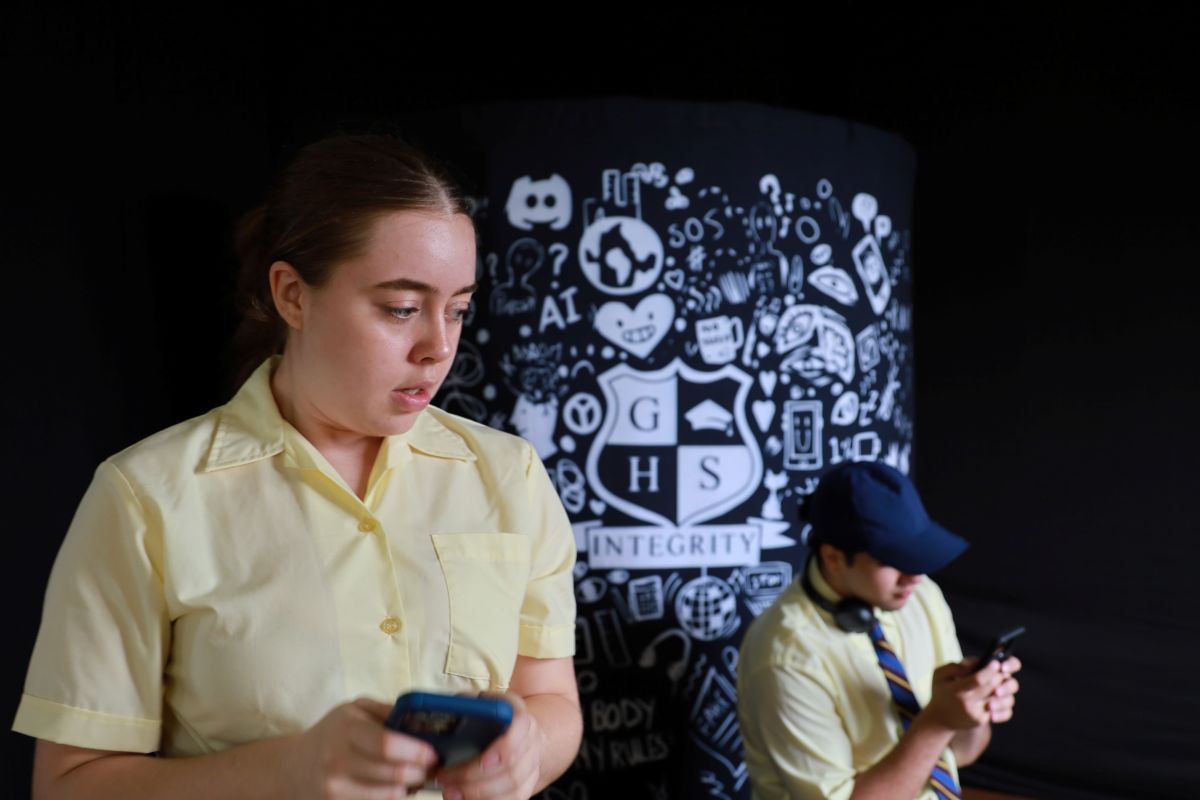
We always strive to ensure our performances are as relevant as possible to the changing needs of Australian students. We have reviewed and updated our performance content and classroom resources to ensure our 2026 programs are relevant to the experiences of students under the new social media laws.
We’ll be visiting schools across Brisbane, Sydney, Melbourne and Adelaide and surrounding areas next year. View our 2026 schedule to find out which online safety programs are available in your area and to make a booking for our school.