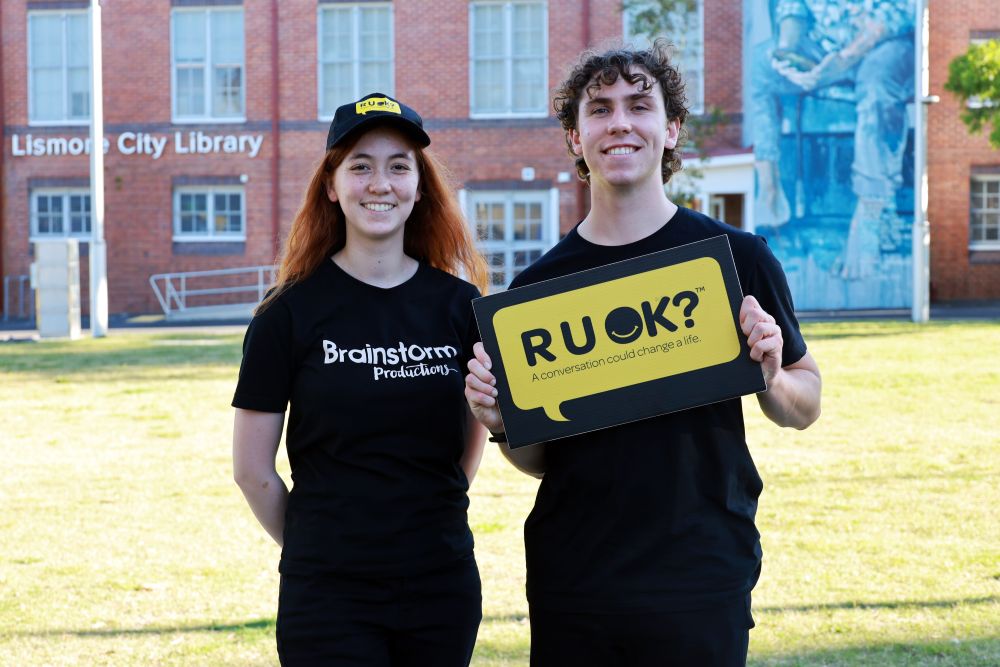
R U OK?Day is a reminder that meaningful conversations and genuine connections are important for creating mentally healthy school communities. And not just on awareness days like R U OK?Day, but any day of the year.
On Thursday 10 September 2026, people across Australia will come together for R U OK?Day, with this year’s message encouraging us to Ask R U OK? Any Day. If someone is on your mind, trust your instincts and start a conversation. You don’t need to be an expert. It can be as simple as noticing, listening and showing someone that you care.
For children and young people, this message can be especially powerful when it is translated into age-appropriate, practical skills they can use in their everyday friendships. That’s why R U OK? offer educator resources, to help build these skills early in life and create more supportive school communities.
What does R U OK? look like for students?
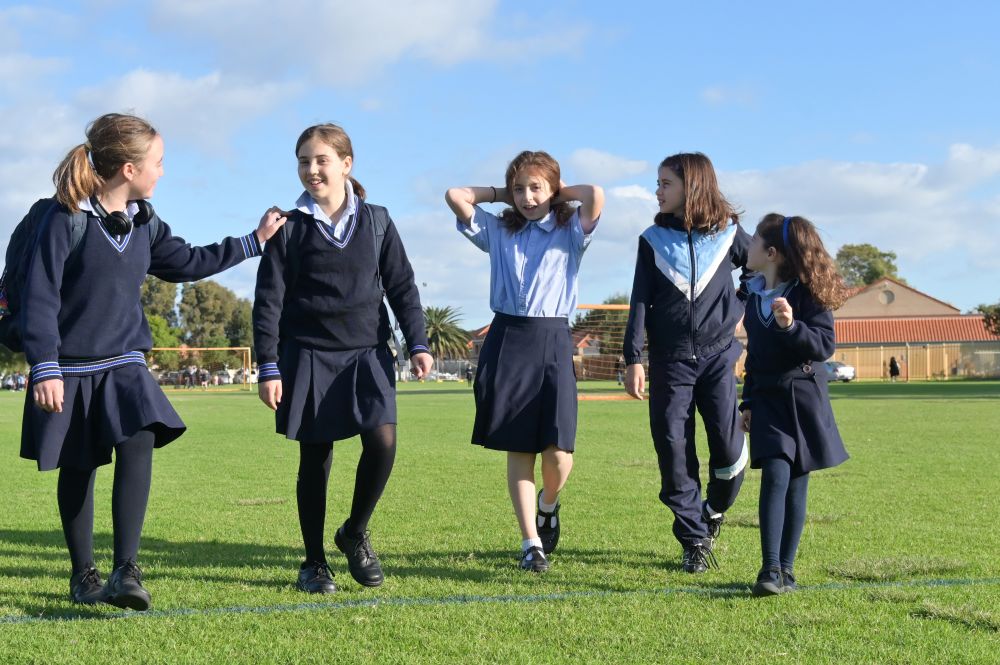
For a primary school student, checking in with a friend might start with something as simple as noticing that someone is sitting alone, asking how they are feeling, listening to what they have to say or getting a trusted adult when they need extra help.
R U OK?’s primary school resources focus on these foundations in a way that aligns with the curriculum: being a good friend, recognising feelings, developing support networks, listening and learning how to ask R U OK? in ways that are appropriate for children. Importantly, children are not expected to solve their friends’ problems, but they can listen, show they care and involve a trusted adult when they are worried.
For high school students, being a supportive friend can mean learning more specific skills to help them:
- Notice when someone may not be themselves.
- Connect by having the confidence to approach them.
- Listen without immediately trying to fix the problem.
- Respond with empathy and kindness.
- Set healthy boundaries and recognise what is beyond their role as a friend.
- Seek help from a trusted adult when something is too big to manage alone.
- Ask for help themselves when they need support.
These skills can help to create a school culture where students feel connected, supported and more confident to look out for one another.
Asking can feel complicated
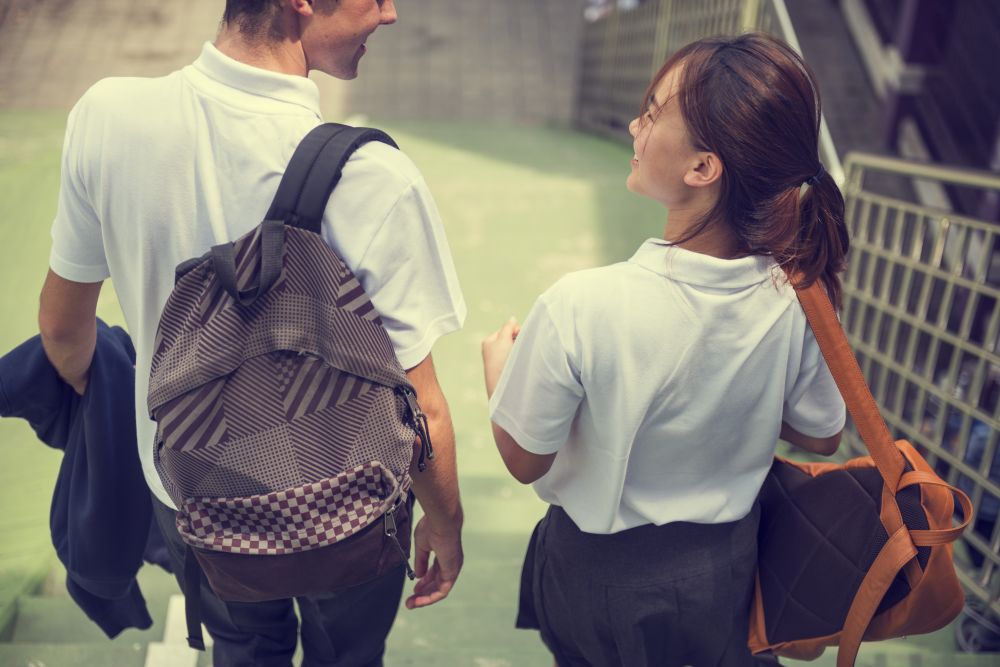
For high school students, the idea of asking a friend “Are you OK?” can come with some very real barriers.
They might worry about putting their friend on the spot or making things awkward. They might be unsure what to say if the answer is “no”. They may care deeply about their friend but feel they don’t have the skills or emotional capacity to deal with serious life problems or mental health concerns. This means that “just ask” isn’t always as simple as it sounds.
Young people can also be reluctant to ask for help themselves. They may worry about being judged, becoming a burden or putting too much pressure on their friends. Some students might be worried that seeking support from peers will be seen as ‘trauma dumping’, so they may keep their worries to themselves.
Recent research shows, however, that many young people are already having regular, meaningful conversations with their peers. In a survey conducted by R U OK?, 94% of people aged 16–24 said they had supported someone at least once in the past month, and 57% reported they are more regularly asking others, ‘are you OK?’, compared to a year ago.
Students need to know that they don’t have to be a counsellor to be a good friend. They don’t need to have all the answers or fix someone’s problems. Sometimes being a supportive friend simply means noticing, asking, listening and helping someone connect with a trusted adult or another source of support.
The growing appeal of AI as a place to talk
This conversation is becoming particularly relevant as young people’s relationships with technology evolve.
eSafety’s recent research into children’s experiences with AI assistants and companions found that 78% of 10–17-year-olds had used an AI assistant, while 8% had used an AI companion. Among children who had used AI assistants or companions, more than half (54%) had used them for personal or social reasons, including chatting about feelings or challenges and seeking advice about mental health or wellbeing.
For some young people, an AI platform may feel like a low-pressure place to talk about personal issues because it is always available and can appear less judgmental than talking to another person. But eSafety highlights some potential risks, including inaccurate or harmful advice.
This makes real-world connection and help-seeking skills even more important. Young people need opportunities to learn that they don’t have to carry difficult experiences alone, while also understanding that supporting a friend doesn’t mean taking responsibility for their wellbeing.

Bringing peer support to life through theatre
Live theatre can provide a powerful way to start these conversations because students can see friendship, conflict, peer pressure, bullying and help-seeking play out through relatable characters and stories.
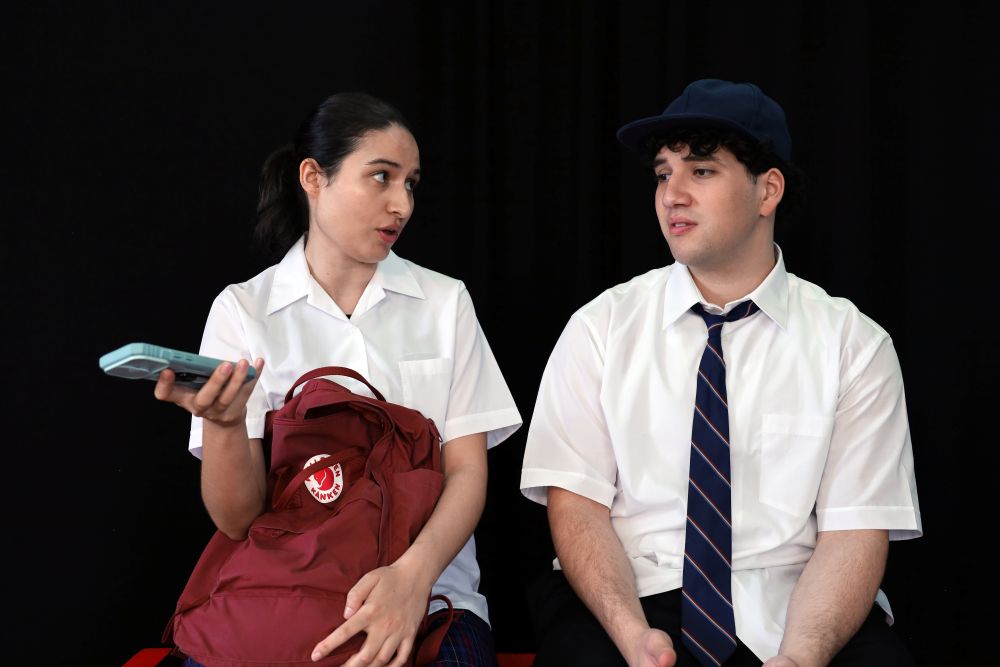
High school performances like The Hurting Game, Cyberia and Verbal Combat allow students to see how authentic, meaningful connections can help them navigate the challenges of growing up and build resilience, including coping with bullying, online influences and peer pressure.
The performances create opportunities for students to reflect on the role of supportive friendships and consider how they can respond when someone is struggling. They also explore some of the issues associated with seeking help from AI chatbots, social media and unmoderated online communities, and highlight the importance of seeking help from trusted sources when needed, including parents, school staff and professional mental health services.
Primary school performances like Buddies, The Human Race and The Protectors explore the foundations of positive peer relationships, including listening, empathy, kindness, being yourself, and giving and asking for help.
R U OK? Any Day
R U OK?Day provides a valuable opportunity to start conversations about connection and peer support, but the goal is to keep those conversations going throughout the year.
Sometimes a simple question asked with sensitivity and kindess can open the door to a much bigger conversation, and help to create a more supportive school community where students feel safe to be themselves and ask for help.